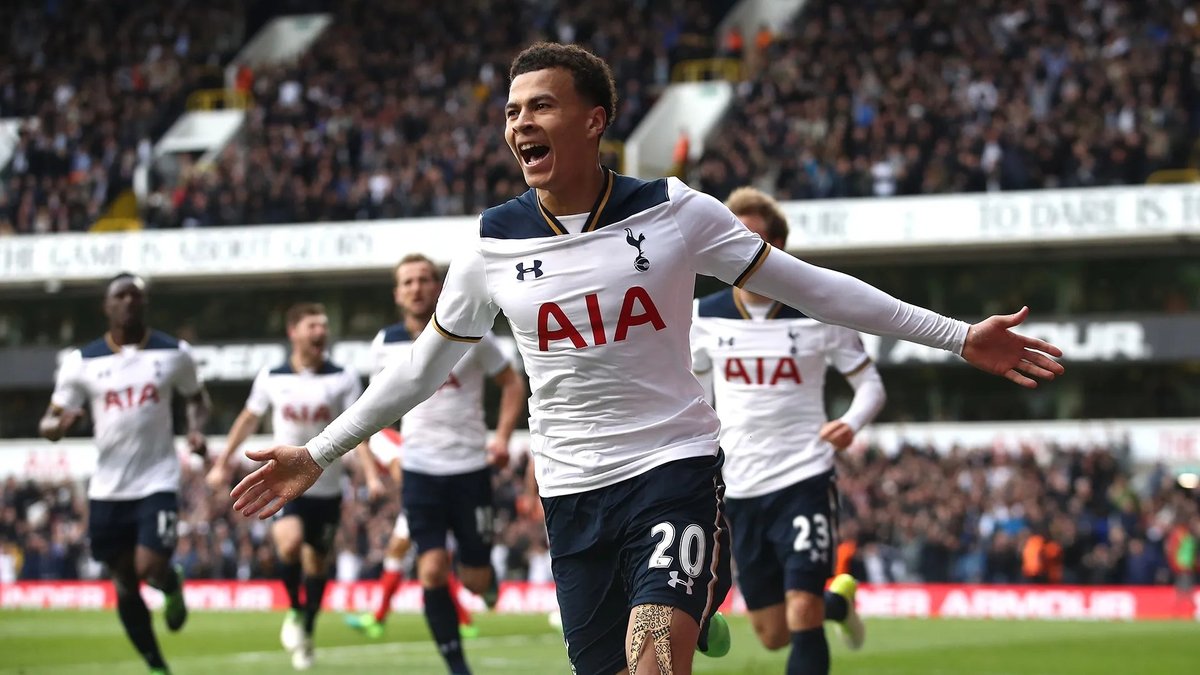
In the demanding world of professional football, few things can alter the landscape of a match, a season, or even a career quite like player availability. The constant churn of team news, updates on injuries, and disciplinary suspensions forms the bedrock of every tactical decision, every betting line, and every fantasy football selection. Understanding these critical factors isn't just for managers and scouts; it's essential for any fan who wants to truly grasp the beautiful game.
Whether it’s a star striker ruled out with a hamstring strain or a pivotal midfielder serving a ban for accumulated yellow cards, these absences reverberate. They force coaches to rethink strategies, test the depth of a squad, and often, dictate the very outcome on the pitch. You’re not just watching a game; you're watching a chess match where crucial pieces can be removed at any moment, and staying informed is your best strategy for appreciating the layers of complexity.
At a Glance: What You'll Learn
- Player availability is paramount: Injuries and suspensions fundamentally shape match outcomes and team strategies.
- A constant challenge: Around 10-15% of professional footballers are unavailable at any given time, demanding constant adaptation from clubs.
- Modern football's response: Clubs invest heavily in sports science and medical facilities to mitigate risks and accelerate recovery.
- Diverse impacts: Absences affect everything from tactical setups and squad morale to betting markets and fantasy football decisions.
- Your information toolkit: Learn where to find reliable updates and how to interpret them, cutting through the noise.
- Beyond the headlines: Understand the broader implications for player welfare in an increasingly congested football calendar.
Why Every Kick-Off is a Roll of the Dice: The True Cost of Absences
Think of football as a meticulously choreographed dance. Every player has a role, every movement is practiced. Now imagine one of the lead dancers is suddenly missing. The show must go on, but the dynamic changes entirely. This is the reality when key players are sidelined. Football’s relentless schedule, spanning domestic leagues, continental clashes, and international tournaments, guarantees that maintaining a fully fit and available squad is a manager’s most persistent headache.
Globally, roughly 10-15% of professional footballers are unavailable at any given time due to injuries or suspensions. That's a significant chunk of talent on the sidelines, directly influencing team selections, tactical approaches, and ultimately, on-pitch performance. These aren't mere inconveniences; they can derail title challenges, impact relegation battles, and even decide the fate of cup competitions.
For you, the fan, this information isn't just trivia. It shapes your expectations, adds context to results, and empowers you to predict potential shifts in momentum. For fantasy football managers, accurate fitness reports are gold, while betting markets can swing wildly on a single piece of injury news. Social media, for better or worse, ensures these updates spread across the globe in minutes, making timely, trustworthy information more vital than ever.
The Body Blow: Understanding Football Injuries
Football is a contact sport, demanding peak physical condition. Yet, the very nature of the game, combined with its intensity, makes injuries an unavoidable reality. But not all injuries are created equal.
From Muscle Strains to Career Threats: Types of Injuries
Injuries in football range dramatically in severity and recovery time:
- Minor Knocks & Bruises: Often sustained during impact, these usually mean a player is out for a few days to a week. Think a dead leg or a twisted ankle that's not too severe.
- Muscle Strains & Tears: Hamstrings, quadriceps, and groin muscles are common culprits. These can range from a Grade 1 strain (minor damage, 1-2 weeks out) to a Grade 3 tear (complete rupture, months out, possibly requiring surgery).
- Ligament Damage: Ankles and knees (ACL, MCL) are particularly vulnerable. A minor sprain might be a few weeks, but a full ACL rupture is a career-threatening injury, often requiring 6-9 months or more of rehabilitation.
- Bone Fractures: From metatarsals in the foot to shin bones, fractures sideline players for significant periods, depending on the bone and severity.
- Concussions: With increased awareness, concussion protocols are now standard in many leagues, leading to mandatory time off and careful monitoring, even if a player appears fine immediately after a head injury.
- Overuse Injuries: Stress fractures or tendonitis can build up over time due to the demanding schedule, highlighting player workload issues.
The Science of Recovery: How Clubs Fight Back
Modern football has seen a revolution in injury prevention and recovery. Top clubs now invest millions in state-of-the-art medical facilities and employ specialist staff, including sports scientists, nutritionists, physiotherapists, and psychologists.
- Advanced Diagnostics: MRI scans, ultrasound, and even AI-powered analysis help pinpoint issues earlier and monitor healing progress.
- Workload Management: Sports science departments utilize GPS trackers and advanced data analysis to monitor player load in training and matches, trying to predict and prevent overuse injuries.
- Personalized Rehabilitation: Recovery plans are tailored to individual players, often involving hydrotherapy, cryotherapy, and specialized strength and conditioning programs.
- Concussion Protocols: Standardized procedures ensure players receive proper assessment and mandatory rest after head injuries, prioritizing long-term health.
Despite these advancements, the human body has its limits. The sheer physical demands mean injuries will always be part of the game.
The Red Light, Green Light: Decoding Suspensions
While injuries are often a cruel twist of fate, suspensions are a direct consequence of a player's actions or a team's disciplinary record. They are predictable, but their impact can be just as devastating.
Rules of the Game: Why Players Get Banned
Suspensions typically fall into a few categories:
- Red Cards: A straight red card usually means an immediate one-match ban. Serious foul play, violent conduct, or denying a clear goal-scoring opportunity can lead to longer suspensions, often three matches or more.
- Yellow Card Accumulation: Across most leagues and competitions, players accumulate yellow cards over a season. Reaching a certain threshold (e.g., five yellow cards in the Premier League before a certain date) triggers an automatic one-match ban. These thresholds often reset at specific points in the season or for different competitions.
- Multiple Red Cards/Serious Misconduct: Players who receive two yellow cards in a single match resulting in a red card typically face a one-match ban. However, instances of violent conduct, discriminatory abuse, or challenging officials can lead to independent disciplinary hearings and significantly longer bans.
- Match Fixing/Doping: These rare but severe offenses can result in multi-year or even lifetime bans from the sport.
VAR and the Evolving Disciplinary Landscape
The introduction of Video Assistant Referee (VAR) technology has undoubtedly impacted suspension rates. While intended to correct clear and obvious errors, VAR has led to more scrutiny of on-field incidents, sometimes resulting in retrospective bans or the upgrading of a yellow card to a red. This added layer of review means that even if a player escapes a booking on the pitch, a ban could still be looming.
It's also crucial to remember that disciplinary rules and yellow card thresholds can vary significantly between different leagues and competitions. A player might be close to a suspension in their domestic league but have a clean slate in a continental competition like the Champions League. Staying informed requires knowing the specific rulebook for each tournament.
The Scouting Report: Where to Find Reliable Team News
Navigating the sea of information surrounding team news, injuries, and suspensions requires a keen eye and a discerning mind. You need to know where to look and what to trust.
Official Channels: Your First Stop
Always prioritize official club statements and league updates.
- Club Websites and Social Media: Most professional clubs will announce injury updates, return dates, and confirmed suspensions through their official channels. This is usually the quickest and most accurate source.
- Pre-Match Press Conferences: Managers are routinely quizzed about player fitness and availability in the days leading up to a match. Reputable sports journalists report directly from these conferences. These are often invaluable sources for early insights.
- League Websites: Official league sites (e.g., Premier League, La Liga) will often have dedicated sections for confirmed suspensions and, sometimes, aggregated injury lists.
- Reputable Sports News Outlets: Major sports broadcasters and established sports journalists (e.g., BBC Sport, Sky Sports, ESPN, The Athletic) often have direct access to clubs or reliable sources, providing detailed and trustworthy reports. Aggregators like NewsNow can also be incredibly useful for consolidating information from various trusted sources across all major competitions.
Unofficial but Influential: Training Ground Whispers & Social Media Sleuths
Beyond official channels, other sources can offer early glimpses, though they come with a caveat.
- Training Reports: Photos or videos from open training sessions can sometimes inadvertently reveal who is (and isn't) participating, offering clues about fitness.
- Player Social Media: While not an official club update, a player posting a picture from a hospital bed or a training session can offer insights into their status. Use these with caution, as context is key.
- Local Journalists/Club Insiders: Journalists who cover a specific club day-to-day often develop trusted sources and can provide accurate early team news or injury updates. Always verify their track record.
- Lineup Leaks: Sometimes, starting lineups leak hours before kick-off. While tempting, these are not always reliable and can be mere speculation or misinformation. Treat them with extreme skepticism.
Pitfalls to Avoid: Be wary of sensationalist headlines, anonymous forum posts, or unverified social media accounts. In the rush for information, misinformation can spread rapidly. Always cross-reference and prioritize official announcements.
The Ripple Effect: How Absences Shape the Game
A missing player isn't just one less body; it's a gap in the tapestry of the team. The impact of injuries and suspensions extends far beyond the individual, influencing every facet of an upcoming match.
Tactical Dominoes: Rebuilding the Game Plan
Managers spend countless hours refining tactics based on their available squad. When a key player is suddenly unavailable, it triggers a chain reaction:
- Formation Changes: Losing a specialist winger might force a manager to switch from a 4-3-3 to a 4-4-2, altering the entire team's shape.
- Role Adjustments: A creative midfielder's absence might mean another player has to step up into a more advanced role, or a less attacking option is chosen, shifting the team's attacking impetus.
- Defensive Weaknesses: Losing a key center-back can destabilize the entire defensive line, leading to a more cautious approach or exposing vulnerabilities.
- Set-Piece Changes: Specific players are designated for corners, free-kicks, and penalties. Their absence means new takers must step up, potentially impacting a crucial source of goals.
Consider a high-stakes match where player availability dictates the tactical setup. For instance, knowing the full extent of Real Madrid vs. Las Palmas positions would be crucial for understanding how each team might adapt their formation and strategy based on who is fit and available.
Squad Depth: The True Measure of a Club
Elite clubs invest heavily in squad depth precisely to mitigate the impact of absences. A strong bench and a talented academy mean that a like-for-like replacement or a viable alternative can step in without a significant drop in quality. For smaller clubs with tighter budgets, an injury to a star player can be catastrophic, forcing them to rely on inexperienced youth or players out of position.
Psychological Impact: Belief and Momentum
The psychological impact of key absences shouldn't be underestimated. For the team, losing a leader or a consistent goal-scorer can affect morale and confidence. For opponents, knowing a star player is out can provide a psychological boost, fostering a belief that a stronger result is possible. Conversely, a team that overcomes significant injury woes can galvanize their spirit, leading to inspired performances.
Impact on Betting Markets and Fantasy Football
This is where player availability hits home for many fans:
- Betting Markets: Bookmakers adjust odds immediately upon news of key absences. A significant injury to a favorite's top striker will see their odds lengthen, while the underdog's odds may shorten. Astute bettors monitor these updates closely.
- Fantasy Football: For fantasy managers, accurate and timely injury and suspension news is critical. Selecting a player who is unexpectedly benched or, worse, confirmed out, can devastate a gameweek score. Staying updated allows for strategic transfers and captain choices.
Staying Ahead of the Game: Your Toolkit for Informed Fandom
Being a well-informed football fan in the age of constant updates is a skill. Here’s how to hone it:
- Curate Your News Sources: Follow official club accounts, reliable journalists specializing in your favorite league/team, and reputable news aggregators.
- Set Up Alerts: Many news apps and fantasy football platforms allow you to set up push notifications for specific teams or players, ensuring you get critical updates as soon as they break.
- Understand the Language: Learn to differentiate between "doubtful," "out for a few weeks," "long-term absentee," and "returned to light training." Each phrase carries specific implications for a player's return.
- Consider the Source's Agenda: Is the manager being cagey about an injury to mislead an opponent? Is a lesser-known outlet reporting sensational news without proper verification? Always apply critical thinking.
- Look Beyond the Headline: A player might be "back in training," but that doesn't necessarily mean they're match-fit or ready to start. Often, it takes a few weeks of full training to regain match sharpness.
Beyond the Pitch: Player Welfare and the Future
The discussion around team news, injuries, and suspensions isn't just about individual matches; it's about the broader health of the sport. The increasingly congested footballing calendar, with more games packed into tighter schedules, continues to raise concerns about player welfare.
Experts and player unions frequently highlight the correlation between fixture pile-ups and increased injury rates, particularly soft-tissue injuries. This pressure impacts players physically and mentally, leading to debates about squad rotation, the length of seasons, and the balance between entertainment and athlete well-being.
The long-term impact of concussions, the psychological toll of lengthy injury lay-offs, and the constant pressure to perform are all critical elements of modern football that extend far beyond a simple availability update. As fans, understanding these underlying issues enriches our appreciation for the resilience and dedication of the athletes we watch.
Your Game Plan for Informed Fandom
In the unpredictable world of football, player availability is a constant, shifting variable. By understanding the causes of absences, knowing where to find credible information, and recognizing the profound impact these factors have, you transform from a casual observer into an astute analyst.
You'll watch matches with a deeper understanding, appreciate tactical adjustments more keenly, and navigate the intricacies of fantasy leagues or betting markets with greater confidence. So, the next time you hear that a star player is out, you won't just register the news; you'll understand the intricate ripple effect it creates, making you a more knowledgeable and engaged follower of the beautiful game. Keep your eyes on those team sheets, and you'll always be one step ahead.