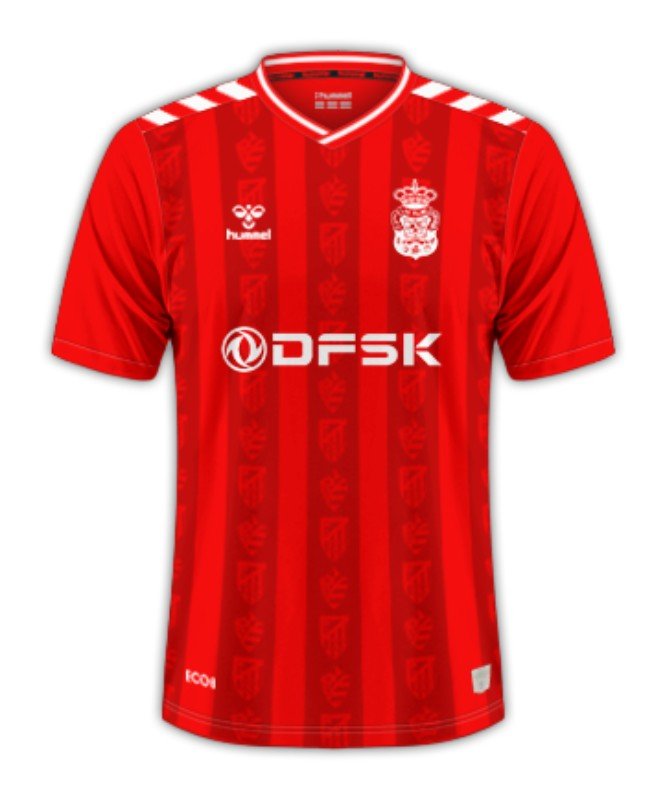
When you're tracking a team like UD Las Palmas, understanding their recent match performance and form isn't just about glancing at a league table. It's about peeling back the layers of statistics, tactical shifts, and individual brilliance (or struggles) to truly grasp their trajectory. For fans, bettors, and football analysts alike, a deep dive into the Canaries' current state offers invaluable insights into what to expect next from this often-unpredictable side.
At a Glance: Decoding Team Form
- Look beyond wins and losses: A draw against a top team might be a better performance than a narrow win against a struggling one.
- Analyze trends: Is their form improving or declining over the last 5-10 matches?
- Consider context: Who were the opponents? Was it home or away? Were key players injured?
- Key metrics to track: Goals scored/conceded, clean sheets, possession, shots on target, expected goals (xG).
- Psychological factors are huge: Momentum, confidence, and team cohesion often dictate performance as much as raw talent.
The Pulse of the Canaries: How to Truly Analyze UD Las Palmas's Recent Form
You’ve seen the headlines, heard the pundits, but what does UD Las Palmas’s form really tell you? It's not just about a simple win-loss record. A truly astute observer understands that form is a dynamic beast, influenced by a multitude of factors. Let’s break down how to get to the heart of their performance.
Think of it like this: a doctor doesn't just check your temperature; they look at your symptoms, your history, your lifestyle. Similarly, analyzing a football team’s form requires a holistic view. You’re looking for patterns, anomalies, and underlying causes.
Beyond the Scoreline: Dissecting Match Performance
The final score is merely the headline. The real story lies within the 90 minutes. When evaluating UD Las Palmas’s performance, you need to dig into the statistical and tactical components of each match.
Unpacking Offensive Metrics: Are They Clinical or Creating Chances in Vain?
Goals are the ultimate currency in football, but how Las Palmas gets them—or doesn’t—reveals a lot.
- Goals Scored & Expected Goals (xG): Are they converting their chances efficiently? Or are they creating a high xG but failing to score, suggesting issues with finishing or decision-making in the final third? Conversely, a low xG with a high number of goals could point to unsustainable clinical finishing or a few lucky breaks.
- Shots on Target & Conversion Rate: How many shots are they taking? How many of those test the goalkeeper? A team that peppers the goal but rarely scores might lack precision, while a team with fewer shots but a high conversion rate is often more clinical.
- Key Passes & Creativity: Who are the playmakers? Is the team relying on individual brilliance or intricate team moves? Look at the number of chances created from open play versus set pieces. If they struggle against teams with deep defensive blocks, it might highlight a lack of creative solutions.
Defensive Resilience: Is Their Backline a Wall or a Sieve?
A strong defense is often the bedrock of consistent form.
- Goals Conceded & Expected Goals Against (xGA): Similar to offense, xGA tells you the quality of chances their opponents are getting. Are they conceding goals from low-percentage shots (bad luck or poor goalkeeping) or are opponents consistently creating clear-cut opportunities (defensive frailties)?
- Clean Sheets: While not the only measure, consistent clean sheets indicate a solid defensive structure and disciplined approach.
- Tackles, Interceptions, & Blocks: These stats reveal the work rate and defensive awareness of the players. Are they winning the ball back effectively in dangerous areas? A high number of blocks might indicate a reactive defense, whereas high interceptions suggest proactive reading of the game.
- Set-Piece Vulnerability: Many teams have a Achilles' heel. Is Las Palmas consistently conceding from corners or free-kicks? This could point to specific marking issues or a lack of aerial dominance.
The Midfield Battle: Who Controls the Tempo?
The midfield is often where games are won and lost.
- Possession Percentage: While possession doesn't guarantee victory, it often correlates with control. Does Las Palmas dominate the ball, or are they comfortable playing on the counter? A significant drop in possession against weaker teams could be a red flag.
- Passing Accuracy & Progression: Are they keeping the ball just for the sake of it, or are their passes progressive, moving the ball into dangerous areas? Look for patterns in their passing—are they struggling to break lines or consistently losing the ball in critical areas?
- Pressing & Regains: How effectively do they win the ball back? A high number of high turnovers can be a sign of an effective pressing system, putting opponents under constant pressure.
Home vs. Away: The Venue Factor
It’s a common adage in football: home advantage. For UD Las Palmas, playing at Estadio Gran Canaria can often provide a significant boost. The passionate home crowd, familiarity with the pitch, and reduced travel fatigue can translate into superior performances.
- Home Record: Examine their points per game, goals scored, and goals conceded specifically in home fixtures. Are they a fortress at home, making it difficult for even top teams to leave with points?
- Away Record: Conversely, how do they perform on the road? Do they struggle with travel, hostile crowds, or adapting to different pitches? A significant disparity between home and away form is a crucial indicator. For example, some teams might adopt a more cautious, counter-attacking approach away from home. Understanding this tactical shift helps predict their approach in an upcoming away fixture.
Tactical Nuances: What Schemes Reveal About Their Form
Coaching philosophy and tactical execution are pivotal to a team’s form. Has the manager stuck to a consistent system, or are they experimenting?
- Formation Changes: Does UD Las Palmas consistently play in a 4-3-3, 4-2-3-1, or a 3-5-2? Are these formations rigid, or do they allow for fluid player movement? Recent shifts in formation can indicate an attempt to address weaknesses or exploit opponent vulnerabilities. For instance, a move to a back three might strengthen defense but dilute their attacking presence.
- Pressing Intensity: Do they employ a high press, pushing opponents back into their own half, or do they sit deeper and absorb pressure? The effectiveness of their pressing, or lack thereof, directly impacts how quickly they regain possession and launch attacks.
- Build-Up Play: How do they transition from defense to attack? Do they play short, intricate passes from the back, or do they prefer long balls to bypass the midfield? Understanding their preferred build-up methods can highlight areas of strength or vulnerability when facing different opponent strategies.
Key Players and Their Impact: The Engine Room and the Goal Getters
A team is only as strong as its individuals. The form of key players can make or break a team's overall performance.
- Star Performers: Who are the consistent goal scorers, assist providers, or defensive anchors? Their individual form directly correlates with the team's output. If a star striker is in a scoring drought, or a pivotal midfielder is misplacing passes, it will likely be reflected in the team's results.
- New Signings & Integration: How have recent transfers settled in? Are they contributing immediately, or are they still finding their feet? A new player struggling to adapt can disrupt team cohesion.
- Player Hot Streaks & Cold Spells: Keep an eye on players who are either on a remarkable run of form or going through a slump. A player who suddenly starts performing exceptionally well can galvanize the entire team, just as a key player struggling can drag morale down.
Injury & Suspension Report: Missing Pieces of the Puzzle
Even the best teams can be derailed by injuries and suspensions.
- Impact on Squad Depth: Does Las Palmas have sufficient depth to cover key absences? Losing a vital player to injury can expose weaknesses that weren't apparent with a full-strength squad.
- Tactical Adjustments: How does the manager adapt the team when key players are unavailable? Do they change formation, or do they simply bring in a like-for-like replacement? These adjustments can alter the team's overall dynamic and effectiveness. For specific insights into matchups, especially against top-tier opponents, reviewing Real Madrid vs. Las Palmas standings can offer a historical context of how missing players might affect critical games.
- Severity and Return Dates: Not all injuries are equal. A long-term injury to a crucial player will have a more profound and lasting impact on form than a short-term knock.
The Psychological Game: Momentum and Morale
Football is as much a mental game as it is a physical one.
- Winning & Losing Streaks: A run of victories builds confidence and momentum, making the team feel invincible. Conversely, a string of losses can breed doubt, anxiety, and a feeling of desperation, often leading to a downward spiral.
- Comebacks & Late Goals: A team that consistently scores late goals or mounts dramatic comebacks often possesses strong mental resilience and belief. On the other hand, a team that frequently concedes late goals or capitulates after going behind might be lacking in mental fortitude.
- Post-Match Comments & Body Language: While subjective, listening to player and manager interviews, and observing their body language on the pitch, can offer clues about the team’s morale and collective spirit. Are they unified and positive, or are cracks starting to show?
Upcoming Challenges: Peering into the Fixture List
Analyzing past performance is vital, but predicting future form requires looking ahead. The upcoming schedule can significantly influence how UD Las Palmas performs.
- Fixture Difficulty: A daunting run of games against top-of-the-table teams will test their mettle more than a series of matches against relegation candidates. Assess the overall strength and current form of their next few opponents.
- Cup Commitments & Congestion: Participation in multiple competitions (e.g., Copa del Rey alongside league fixtures) can lead to fixture congestion, player fatigue, and increased injury risk. Does Las Palmas have the squad depth to cope with a demanding schedule?
- Specific Matchups: Some teams are "bogey teams" for others. Look at historical head-to-head records against upcoming opponents. For example, if their next match is against Burgos CF (hypothetically scheduled for 2026/02/07, according to some future fixture predictions), how have they fared against them recently? Are Burgos CF a physical side that Las Palmas struggles against, or do their styles complement a more open game? Similarly, a hypothetical previous match against Real Sociedad B (1:1 draw on 2026/01/30, as per a future fixture example) might show how they handle disciplined defensive teams.
Common Misconceptions About Form: Don't Fall for These Traps
- "Good form means they'll always win": No team is invincible. Even teams on a winning streak can have an off day or face an opponent perfectly suited to exploit their weaknesses.
- "Bad form means they're doomed": A team in poor form is often desperate for a win, which can sometimes lead to a surprising performance. A managerial change or a return of a key player can instantly turn the tide.
- "Possession equals dominance": Not always. A team can have high possession but fail to create meaningful chances, while a counter-attacking side might cede possession but be more incisive when they do have the ball.
- "Stats tell the whole story": Statistics are powerful tools, but they lack context. They don't capture the intangible aspects like team spirit, individual moments of brilliance, or refereeing decisions. Always combine statistical analysis with qualitative observation.
Your Actionable Playbook: How to Stay Ahead of the Game
To truly understand UD Las Palmas's form, you need to develop a systematic approach. Here’s your playbook:
- Regularly Review Match Highlights and Full Games: Don't just read reports; watch the games. Pay attention to how they attack, how they defend, and individual player performances.
- Track Key Metrics: Keep a personal spreadsheet or use reliable football data sites (like LaLiga.com or AIScore) to track goals, xG, possession, and other relevant stats over the last 5-10 matches. Look for trends.
- Monitor Team News: Stay updated on injuries, suspensions, and any managerial comments or tactical changes. This crucial context often explains shifts in performance.
- Analyze Upcoming Fixtures: Evaluate the strength of their next opponents, considering their own form, home/away advantage, and historical matchups.
- Look for Psychological Cues: Is the team playing with confidence? Do they look deflated after conceding? These less tangible aspects can be powerful indicators.
- Formulate Hypotheses: Based on your analysis, develop theories about why Las Palmas is performing the way they are. "I believe they are struggling defensively because their full-backs are too adventurous, leaving gaps in behind."
- Test and Refine: See if your predictions hold true in subsequent matches. This iterative process refines your analytical skills.
Final Whistle: Your Edge in Understanding Las Palmas
Understanding UD Las Palmas's recent match performance and form isn't a passive activity; it's an active investigation. By moving beyond superficial scorelines and delving into the rich tapestry of statistics, tactics, player dynamics, and psychological factors, you gain a far more nuanced and predictive insight into the team’s current standing. This comprehensive approach empowers you with the knowledge to appreciate their journey, anticipate their challenges, and perhaps even predict their next big move on the pitch. Keep observing, keep questioning, and you'll always have an edge.